
Table of Contents
- 1 A Comprehensive Guide to Understanding the Possibilities of Incorporating Swimming Pool Automation Systems
- 2 What is Swimming Pool Automation Technology?
- 3 Importance and Benefits of Pool Automation
- 4 How Swimming Pool Automation Works
- 5 Integration with Smart Home Systems
- 6 Key Components of Swimming Pool Automation
- 7 Advanced Pool Automation Technologies
- 8 Benefits of Swimming Pool Automation
- 9 Considerations for Implementing Pool Automation
- 10 Future Trends in Pool Automation
- 11 Leading Brands in Pool Automation
- 12 Frequently Asked Questions (FAQs)
- 12.1 What is a swimming pool automation system, and what can it do?
- 12.2 Can you add pool automation to an existing pool?
- 12.3 Which pool automation system is best?
- 12.4 How long can an automated robot operate?
- 12.5 Is it worth it to add swimming pool automation?
- 12.6 How much does a pool automation system cost?
- 12.7 Can I install pool automation myself, or should I hire a professional?
- 12.8 Will pool automation work with my existing pool equipment?
- 12.9 Do I need Wi-Fi or internet to use pool automation?
- 12.10 What happens to pool automation in the winter?
- 13 The Swimming Pool Store for Expert Swimming Pool Automation
- 14 Contact Us for Pool Automation Systems
A Comprehensive Guide to Understanding the Possibilities of Incorporating Swimming Pool Automation Systems
Swimming pool automation technology is revolutionizing the way pool owners manage and enjoy their pools. By leveraging advanced technology, pool automation systems simplify maintenance, enhance energy efficiency, and provide greater control over pool functions. This technology integrates various pool components into a cohesive, automated system that can be managed remotely, ensuring an optimal swimming experience with minimal manual intervention.
What is Swimming Pool Automation Technology?
Swimming pool automation technology refers to the use of automated systems to manage and control various aspects of a swimming pool. These systems can handle everything from water circulation and filtration to heating, lighting, and chemical management. The primary goal of pool automation is to reduce the need for manual intervention, making pool maintenance easier and more efficient.

Importance and Benefits of Pool Automation
The importance of swimming pool automation lies in its ability to streamline pool maintenance, enhance energy efficiency, and improve the overall swimming experience. Key benefits include:
- Enhanced Safety: Automation can integrate safety features, such as pool covers and alarms, providing an added layer of security for pool users.
- Convenience: Automation allows pool owners to control pool functions remotely via smartphones or other devices, making it easier to manage the pool from anywhere.
- Energy Efficiency: Automated systems optimize the operation of pool equipment, leading to significant energy savings and reduced utility costs.
- Improved Water Quality: Automated chemical management systems ensure consistent water quality, reducing the need for manual testing and adjustments.
Overview of Pool Automation Systems
A comprehensive pool automation system typically includes the following components:
- Control Panel: The central hub that allows pool owners to program and manage the entire system.
- Pumps: Essential for water circulation, automated pumps can adjust their speed and run times based on the pool’s needs.
- Heaters: Automated heating systems efficiently maintain the desired water temperature.
- Lighting: Automated lighting systems can be programmed to enhance ambiance and improve safety.
- Chemical Feeders: These devices automatically dispense the right amount of chemicals to maintain balanced water chemistry.
- Sensors: Various sensors monitor water temperature, pH levels, and chlorine levels, providing real-time data to the control panel.
How Swimming Pool Automation Works
Swimming pool automation systems operate by connecting all pool components to a central control panel. This panel can be programmed to perform specific tasks at designated times or in response to certain conditions. For example, the system can automatically adjust the pump speed based on water temperature or activate the pool heater when the temperature drops below a set point.
Most modern systems also offer remote control capabilities, allowing pool owners to manage their pool via smartphone apps or web interfaces.
Integration with Smart Home Systems
One of the most appealing aspects of pool automation technology is its ability to integrate with existing smart home systems. This integration allows pool owners to control their pool alongside other smart home devices, creating a seamless and convenient user experience. For instance, voice-activated assistants like Amazon Alexa or Google Assistant can control pool functions with simple voice commands, such as adjusting the temperature or turning on the pool lights.
Implementing swimming pool automation can transform how you maintain and enjoy your pool, offering unparalleled convenience, efficiency, and control. As technology continues to evolve, the possibilities for enhancing your pool experience are virtually limitless.

The Swimming Pool Store offers Pool Renovations that improve your swimming pool’s aesthetics, functionality, and energy efficiency. Check out the many components of swimming pool automation and contact us to learn more about this renovation and others that save you time and money and allow you more time to enjoy your pool.
Key Components of Swimming Pool Automation
Pool Pumps
Pool pumps are essential components of any swimming pool automation system. They play a crucial role in water circulation, ensuring that the pool water remains clean and safe for swimming. Automated pool pumps offer significant advantages over traditional manual pumps, providing enhanced efficiency, convenience, and cost savings.
Types of Pool Pumps
- Variable Speed Pumps: These pumps allow for adjustable speeds, providing optimal performance for various pool functions. They are the most energy-efficient option, as they can be programmed to run at lower speeds when full power is not needed.
- Single-Speed Pumps: Operating at a constant speed, single-speed pumps are the traditional choice for pool owners. While they are less expensive upfront, they tend to be less energy-efficient compared to their variable-speed counterparts.
- Dual Speed Pumps: These pumps offer two speed settings—high and low. They provide a middle ground between single-speed and variable-speed pumps, offering some energy savings while maintaining higher performance when needed.

Benefits of Automated Pool Pumps
Automated pool pumps come with a range of benefits that make pool maintenance easier and more efficient:
- Optimized Performance: Automated pumps can adjust their speed and operating times based on the pool’s needs, ensuring optimal water circulation and filtration at all times.
- Convenience: With automation, pool owners can schedule pump operation times, reducing the need for manual intervention. This is especially useful for maintaining consistent water quality and ensuring the pool is always ready for use.
- Remote Control: Many automated pumps can be controlled remotely via smartphone apps or web interfaces, allowing pool owners to manage their pump settings from anywhere.
Energy Efficiency and Cost Savings
One of the most significant advantages of automated pool pumps is their energy efficiency. Variable-speed pumps, in particular, can lead to substantial energy savings by running at lower speeds when full power is not necessary. Here’s how automated pool pumps contribute to cost savings:
- Reduced Energy Consumption: By operating at lower speeds during off-peak times, variable-speed pumps use less electricity than single-speed pumps, resulting in lower utility bills.
- Longer Lifespan: Automated pumps experience less wear and tear due to their ability to operate at variable speeds, which can extend their lifespan and reduce maintenance costs.
- Rebates and Incentives: Many regions offer rebates and incentives for installing energy-efficient pool equipment, making automated pumps a financially attractive option.
Heating Systems
Heating systems are critical for maintaining a comfortable swimming temperature, especially in cooler climates, or for extending the swimming season. Automated heating systems offer precise temperature control, increased efficiency, and seamless integration with other pool automation components.
Types of Pool Heating Systems
- Solar Heating: Uses solar panels to capture and convert sunlight into heat, making it an eco-friendly and cost-effective option.
- Electric Heating: Electric resistance heaters or heat pumps are utilized to warm the pool water. Heat pumps are more energy-efficient compared to traditional electric heaters.
- Gas Heating: This uses natural gas or propane to heat the pool water quickly, making it ideal for on-demand heating.

The Role of Actuators in Controlling Heating
Actuators are vital components in automated pool heating systems, as they control water flow through the heating units. By regulating water flow, actuators ensure the desired temperature is consistently maintained, providing optimal comfort for swimmers.
Advantages of Automated Heating Systems
- Precision Control: Automated systems maintain precise temperature settings, ensuring the pool is always at the desired temperature.
- Energy Efficiency: Automated systems can significantly lower energy consumption and costs by optimizing heating schedules and reducing unnecessary heating.
- Convenience: Pool owners can program heating schedules or adjust temperatures remotely, making it easy to manage the pool’s heating system from anywhere.
Lighting Systems
Lighting systems enhance the pool’s aesthetic appeal and improve safety during nighttime swimming. Automated lighting systems provide customizable lighting options and can be integrated into the overall swimming pool automation setup.
Types of Pool Lighting:
- LED Lighting: Energy-efficient and long-lasting, LED lights are available in a variety of colors and can be programmed for different lighting effects.
- Fiber Optic Lighting: Uses fiber optic cables to transmit light, offering a safe and versatile lighting option that can create stunning visual effects.
Benefits of Automated Lighting Systems
- Customization: Automated lighting systems enable pool owners to customize lighting schemes, creating the perfect ambiance for any occasion.
- Safety: Proper lighting enhances visibility around the pool area, reducing the risk of accidents and improving overall safety.
- Energy Efficiency: Automated systems can schedule lighting operation times, ensuring lights are only on when needed, thus conserving energy.

Salt Generators
Salt generators are used in saltwater pools to convert salt into chlorine, providing a more natural and gentle way to sanitize pool water. Automated salt generators offer consistent chlorine production and reduce the need for manual chemical adjustments.
How Saltwater Chlorination Works
Saltwater chlorination involves the electrolysis process, where salt (sodium chloride) is converted into chlorine gas and sodium hydroxide. The chlorine gas dissolves in water, forming hypochlorous acid, which sanitizes the pool.
Benefits of Automated Salt Generators
- Consistent Chlorine Levels: Automated systems maintain optimal chlorine levels, ensuring the water is always properly sanitized.
- Reduced Chemical Usage: Salt generators reduce the need for traditional chlorine products, making the pool water gentler on the skin and eyes.
- Low Maintenance: Automated systems require minimal upkeep, making pool maintenance easier for owners.
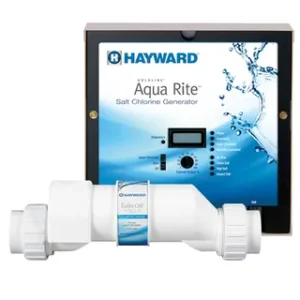
Regular maintenance of salt generators includes cleaning the cell to prevent calcium buildup and ensuring proper salt levels in the pool. Automated systems often include alerts and reminders for necessary maintenance tasks.
Pool Filters
Pool filters are essential for maintaining water clarity and hygiene by removing debris and contaminants. Automated filtration systems ensure consistent filtration, improving water quality with minimal manual intervention.
Types of Pool Filters
- Sand Filters: Use sand to trap debris and contaminants. They are easy to maintain and require periodic backwashing to clean the filter media.
- Cartridge Filters: Utilize replaceable cartridges to filter water. They offer excellent filtration and are easy to clean and replace.
- Diatomaceous Earth (DE) Filters: Diatomaceous earth provides superior filtration, capturing even the smallest particles.

Automation of Filtration Systems
Automated filtration systems can be programmed to run at optimal times, ensuring the pool water remains clean and clear. These systems can adjust filtration cycles based on pool usage and environmental conditions, providing efficient and effective filtration.
By automating filtration, pool owners can maintain high water quality and hygiene standards with less effort. Automated systems provide consistent performance, reducing the risk of waterborne illnesses and ensuring a safe swimming environment.
Integrating these key components into your pool automation system can transform your pool experience, providing unmatched convenience, efficiency, and control.
Advanced Pool Automation Technologies
Smart Sensors
Smart sensors are critical components of advanced pool automation systems, providing precise monitoring and control over various aspects of pool maintenance.
Types of Sensors:
- Temperature Sensors: Monitor the water temperature to ensure the pool remains at the desired comfort level.
- pH Sensors: Measure the acidity or alkalinity of the pool water, helping maintain balanced water chemistry.
- Chlorine Sensors: Detect chlorine levels in the water, ensuring optimal sanitization and safety.
Role of Sensors in Pool Automation
Smart sensors continuously collect data on various pool parameters, which is then fed to the central control system. This real-time data enables the swimming pool automation system to make necessary adjustments, such as turning on the heater if the water temperature drops or adding chemicals to balance pH levels.
Real-Time Monitoring and Alerts
One of the significant advantages of smart sensors is their ability to provide real-time monitoring. Pool owners receive instant alerts on their smartphones or other devices if any parameters deviate from the set thresholds. This immediate notification allows for quick action, preventing potential issues before they escalate.
Mobile and Remote Control
Mobile and remote control capabilities are essential features of modern pool automation systems, providing unparalleled convenience and flexibility.
Smartphone Apps and Web Interfaces
Pool automation systems often have dedicated smartphone apps and web interfaces, allowing pool owners to control and monitor their pool from anywhere. These platforms provide user-friendly dashboards that allow users to check water chemistry, adjust settings, and schedule maintenance tasks.
Features and Functionalities of Mobile Control
- Real-Time Monitoring: View live data on water temperature, pH levels, chlorine concentration, and other key parameters.
- Remote Control: Adjust settings for pumps, heaters, lights, and other equipment remotely.
- Scheduling: Establish automated schedules for various pool functions to ensure optimal performance with minimal manual intervention.
- Alerts and Notifications: Receive instant alerts if any parameters fall outside the desired range, enabling quick corrective action.
Convenience and Ease of Use
Mobile and remote control features make pool management incredibly convenient. Whether at home or away, pool owners can ensure their pool is always in perfect condition, ready for use at any time. This ease of use significantly reduces the time and effort required for pool maintenance.
Voice-Activated Controls
Voice-activated controls are a cutting-edge feature of pool automation systems, providing an intuitive and hands-free way to manage pool functions.
Integration with Voice Assistants
Modern pool automation systems can integrate with popular voice assistants like Amazon Alexa and Google Assistant. This integration allows pool owners to control their pool with simple voice commands, adding an extra layer of convenience.
Setting up voice commands for pool automation is straightforward. Once the pool automation system is linked with the voice assistant, users can define specific commands to perform various tasks, such as adjusting the water temperature, turning on the pool lights, or checking the chlorine levels.
Benefits of Voice-Activated Controls
- Hands-Free Operation: Manage your pool without using a smartphone or control panel.
- Ease of Use: Voice commands provide a simple and intuitive way to control pool functions.
- Enhanced Convenience: Perform tasks quickly and efficiently, making pool maintenance easier than ever.
Benefits of Swimming Pool Automation
- Convenience and Ease of Use
- Automated systems simplify pool maintenance by handling routine tasks, allowing pool owners to enjoy their pool without the hassle of manual upkeep. Remote access and control further enhance this convenience, enabling management from anywhere.
- Energy Efficiency
- Pool automation systems optimize the operation of pumps, heaters, and other equipment, reducing energy consumption. This optimization lowers utility costs, making pool ownership more affordable in the long run.
- Enhanced Safety and Security
- Automated safety features, such as cover controls and alarms, help monitor and prevent accidents. These systems ensure that the pool environment remains safe for all users, providing peace of mind for pool owners.
- Improved Water Quality
- Consistent water chemistry management through automated systems ensures optimal water quality. Reduced manual intervention means fewer chances for human error, leading to a healthier and more enjoyable swimming experience.
Considerations for Implementing Pool Automation
- Cost Analysis
- When considering pool automation, comparing the initial investment against long-term savings is essential. While the upfront cost may be significant, the energy savings, reduced maintenance costs, and enhanced convenience often justify the expenditure. Proper budgeting will help in making an informed decision.
- Compatibility and Integration
- Ensuring compatibility with existing pool systems is crucial when implementing automation. Future-proofing the pool automation setup by selecting systems that can be easily upgraded or expanded will provide lasting benefits and avoid obsolescence.
- Installation and Maintenance
- Deciding between professional installation and DIY depends on the complexity of the automation system and the pool owner’s technical skills. While professional installation ensures proper setup, a DIY approach can be cost-effective for those with the necessary knowledge. Regular maintenance and troubleshooting are vital to keep the automation system functioning optimally.
Swimming pool automation offers numerous advantages, from enhanced convenience to significant energy savings. By understanding and implementing advanced technologies, pool owners can create a more enjoyable and efficient pool experience.
Future Trends in Pool Automation
AI and Machine Learning
Artificial intelligence (AI) and machine learning are set to revolutionize pool automation by introducing advanced predictive maintenance and optimization features.
Predictive Maintenance and Optimization
AI-driven systems can analyze data from various sensors to predict when maintenance is required, preventing issues before they become significant problems. This predictive capability ensures that the pool remains in optimal condition, reducing downtime and maintenance costs.
Smart Algorithms for Better Control
Machine learning algorithms can optimize pool operations by learning from usage patterns and environmental conditions. These intelligent algorithms can automatically adjust settings to maintain ideal conditions, thereby enhancing both efficiency and the user experience.
Eco-Friendly Innovations
As environmental concerns grow, eco-friendly innovations in pool automation are becoming increasingly important. Eco-friendly automation systems aim to minimize the environmental footprint of swimming pools. By optimizing energy usage and reducing chemical dependency, these systems help in lowering the overall environmental impact of pool maintenance.
Sustainable Pool Automation Technologies
New technologies are being developed to make pool automation systems more sustainable. These include energy-efficient pumps, solar-powered heaters, and systems that reduce chemical usage, all contributing to a greener pool environment.
Enhanced User Interfaces
The future of pool automation will see the development of more intuitive and immersive user interfaces.
Next-Generation Control Interfaces
Advanced control interfaces will provide a seamless user experience, making it easier to manage pool settings and monitor system performance. These interfaces will be more user-friendly, offering greater customization and control.
Virtual and Augmented Reality Applications
Virtual and augmented reality (VR/AR) applications are poised to enhance pool management by providing immersive ways to interact with the swimming pool automation systems. These technologies will allow users to visualize and control pool settings in a more engaging and intuitive manner.
Leading Brands in Pool Automation
Hayward Omnilogic
Hayward Omnilogic is a leading name in pool automation, known for its innovative and user-friendly solutions.
Key Features and Innovations
Omnilogic offers a range of features, including advanced control panels, seamless smart home integration, and robust mobile app support. Its systems are designed to provide comprehensive control over all pool functions.
How Omnilogic Enhances Pool Automation
Omnilogic enhances pool automation by offering a highly customizable and intuitive system that simplifies pool management. Its integration with smart home systems allows for seamless control and enhanced user convenience.
Pentair Intellicenter
Pentair Intellicenter is renowned for its cutting-edge technology and reliability in swimming pool automation.
Key Features and Innovations
Intellicenter features advanced automation capabilities, including energy-efficient pump control, real-time monitoring, and remote access through a dedicated app. Its robust design ensures long-term performance and reliability.
How Intellicenter Enhances Pool Automation
Intellicenter enhances pool automation by providing a highly efficient and user-friendly system that optimizes pool operations. Its advanced features ensure that pool owners can easily manage and maintain their pool with minimal effort.
Jandy Aqualink
Jandy Aqualink is a trusted name in pool automation, offering reliable and sophisticated solutions for modern pools.
Key Features and Innovations
Aqualink systems include features like remote control, energy-efficient settings, and comprehensive monitoring tools. Its easy-to-use interface makes it accessible for all pool owners.
How Aqualink Enhances Pool Automation
Aqualink enhances pool automation by providing a reliable and efficient system that simplifies pool maintenance. Its integration with other smart home devices offers added convenience and control.
Several pool owners have experienced significant improvements in convenience, energy efficiency, and overall enjoyment of their pools through the use of automation. Pool owners frequently report positive experiences with automated systems, praising the ease of use, reduced maintenance efforts, and cost savings.
Swimming pool automation technology offers numerous benefits, including enhanced convenience, improved energy efficiency, increased safety, and superior water quality. Advanced technologies such as AI, eco-friendly innovations, and enhanced user interfaces are set to further revolutionize pool management.
Frequently Asked Questions (FAQs)

What is a swimming pool automation system, and what can it do?
A swimming pool automation system is an electronic control system that automatically manages your pool’s equipment and water care tasks. It can run the pump and filter on a schedule, turn the heater and pool lights on and off, and adjust chemical levels with minimal manual input. By linking all key components to a single controller, the system keeps your pool clean, warm, and balanced with far less effort on your part.
With pool automation, you can schedule and control almost every aspect of your pool remotely. For example, an automated system can be programmed to circulate and filter the water at set times, heat the pool to your preferred temperature, and turn on underwater lights for an evening swim. It can also dispense the right amount of chlorine or other chemicals to keep the water chemistry safe and balanced. Many modern systems connect to smartphone apps or smart home assistants, allowing you to monitor and adjust your pool settings from anywhere. Overall, a pool automation system coordinates all these tasks so your pool largely takes care of itself, giving you more time to relax and enjoy the water.
Can you add pool automation to an existing pool?
Yes, pool automation can be retrofitted to nearly any existing pool—whether it’s an older inground or above-ground setup. Modern automation systems are designed to integrate with standard pool equipment. This typically involves installing a central controller and motorized valves or relays to interface with your current pump, heater, and other features. As a result, even older pools in Connecticut can be upgraded with automation, bringing remote control and scheduling capabilities without requiring a completely new pool installation.
Adding automation to an existing pool is a common upgrade. In Connecticut, many long-time pool owners choose to modernize their pools with automation rather than rebuilding from scratch. A technician can usually mount a control panel near your equipment pad and connect it to your pump, filter, lights, and heater. In some cases, older single-speed pumps might be upgraded to a compatible variable-speed pump to maximize energy savings with automation. However, most basic functions—turning pumps on/off, adjusting heater settings, or operating pool lights—can be automated with adapters or actuators on the existing hardware. It’s advisable to consult a pool professional familiar with retrofitting equipment, especially in CT, where proper winterization of any new automation components is crucial for longevity.
Which pool automation system is best?
There isn’t a single “best” pool automation system for everyone, but a few top brands stand out. Industry leaders like Hayward, Pentair, and Jandy offer highly rated automation systems known for reliability and comprehensive features. The ideal choice often comes down to your specific pool setup and preferences. It’s wise to compare what each of these leading systems offers and consider compatibility with your existing equipment to determine which will work best for your pool.
Each major brand’s automation system has its own strengths. For instance, Hayward’s OmniLogic, Pentair’s IntelliCenter, and Jandy’s Aqualink are all popular among Connecticut pool owners. If your pool already has equipment (like a pump or heater) from one of these brands, using their matching automation system can ensure seamless integration. All three support controlling pumps, heaters, lights, and more via apps or voice assistants. In Connecticut, where local dealer support is important, these established brands also offer good parts and service availability. Ultimately, choosing the “best” system means evaluating which one fits your pool’s needs and possibly consulting a pool professional to make the right match.
How long can an automated robot operate?
Most automated pool cleaning robots run for about 2 to 4 hours per cleaning cycle. The exact runtime depends on the model and settings. For example, a robot might be programmed to cover the entire pool floor and walls within a 3-hour cycle before automatically shutting off. Some higher-end robots have multiple cycle lengths or can run longer if needed, but generally a few hours is enough to thoroughly clean a residential pool.
Robotic pool cleaners are designed to operate in set cycles rather than continuously all day. Typically, you’ll place the robot in the pool and let it run one full cycle (around 2–4 hours) to scrub surfaces and vacuum debris. After that, the unit may need to be emptied or recharged if it’s battery-powered. In Connecticut, many pool owners run their robot cleaner daily or a few times a week during summer when debris like leaves and pollen are falling. Using the robot regularly in its standard cycle keeps the pool clean without excessive wear. Always follow the manufacturer’s guidelines—running it longer than recommended can cause overheating or unnecessary strain on the motor.
Is it worth it to add swimming pool automation?
For many pool owners, adding automation is well worth the investment. An automated system takes over routine tasks—like filtering, heating, and chlorinating—so you spend far less time on upkeep. Your pool stays cleaner and at the right temperature automatically, improving water quality and comfort. While you do pay upfront for the equipment, the convenience and time savings (plus potential energy savings from smarter scheduling) mean you’ll likely enjoy your pool more and hassle with maintenance less.
Pool automation offers both tangible and intangible benefits that often justify the cost. In Connecticut, where the swimming season is relatively short, automation helps maximize enjoyment of your pool by minimizing the work needed each week. Automated scheduling ensures the pump runs at optimal times and the heater maintains your preferred temperature without constant manual adjustments. This not only saves personal time but can also reduce utility bills by avoiding over-filtering or overheating. Additionally, automation tends to keep water chemistry more consistent, meaning fewer algae outbreaks or chemical imbalances. Overall, pool owners find that with less effort spent on chores and more reliable water quality, they get greater value and relaxation from their pool.
How much does a pool automation system cost?
Pool automation systems can vary widely in cost. A basic automation setup (controlling a pump and heater) might start around a couple of thousand dollars, including installation. More advanced systems with full smart home integration, multiple light and water feature controls, or chemical automation can cost $5,000 or more. The price depends on factors like the brand, how many features you want to automate, and whether any of your existing equipment needs upgrades or replacement to be compatible.
When budgeting for pool automation, consider both equipment and labor. The control panel and actuators themselves have a price, and more features (like automated valves, Wi-Fi modules, or advanced sensors) add to the cost. Professional installation in Connecticut is usually recommended and will be part of the expense—installers ensure all electrical connections meet local codes and that the system is calibrated correctly. On average, Connecticut pool owners might invest a few thousand dollars for a mid-range system. While this is a significant upfront cost, many find that the energy savings (from optimized pump run times) and reduced chemical waste help offset expenses over the long run. It’s often helpful to get a quote based on your specific pool to understand the exact cost.
Can I install pool automation myself, or should I hire a professional?
Installing pool automation is not a simple DIY project for most homeowners. It involves electrical wiring, plumbing connections, and configuring control systems to work safely with water. If you have professional electrical or pool equipment experience, you might handle basic installations, but generally hiring a qualified installer is recommended. A professional will ensure all components are installed correctly and in compliance with Connecticut’s electrical codes, providing you with a safe and reliable automation system.
While some handy pool owners with technical know-how might tackle a simple automation kit, most installations are best left to professionals. Setting up pool automation means connecting a control panel to pumps, heaters, lights, and sometimes your home’s Wi-Fi network. There are electrical hookups (often 240V circuits) and possibly new valve actuators to install on your plumbing. Wiring or configuration errors can be dangerous and may damage expensive equipment. In Connecticut, licensed electricians or pool technicians are familiar with local codes and seasonal concerns (like weather-proofing and grounding all equipment). They can also train you on using the system’s features. Ultimately, professional installation provides peace of mind that your automation will run safely and as intended.
Will pool automation work with my existing pool equipment?
In most cases, yes—modern pool automation systems are designed to work with a wide range of existing equipment. They use relay switches and actuators to turn your pump, heater, and lights on or off, so even older equipment can often be controlled. If your pump or heater is very outdated or lacks any digital controls, the automation system may still operate it in a basic on/off capacity. Generally, you won’t need to replace all your equipment, but some add-ons or minor upgrades might be required for seamless integration.
Modern automation controllers are built to interface with most pool gear. Even if your pump and heater are older, the automation can usually turn them on and off using relays or actuators. Many new systems are also compatible with variable-speed pumps for advanced control, but they’ll still work in a basic way with old single-speed pumps. Similarly, an automation panel can manage standard pool lights and other accessories by integrating with their power circuits. In Connecticut, plenty of older pools have added automation successfully—sometimes a dated pump or heater is upgraded during the process for better efficiency, but full replacement isn’t always needed. It’s wise to let a professional assess your specific equipment to ensure everything will work together.
Do I need Wi-Fi or internet to use pool automation?
Basic pool automation functions do not strictly require Wi-Fi or internet, but connectivity is needed if you want to control your pool remotely. Without internet, you can still operate everything through the control panel or a local remote. However, to use a smartphone app or get alerts when you’re away (like in the office or on vacation), your automation system would need to connect to your home Wi-Fi network. Essentially, the system can run on its own, but internet access unlocks the full convenience of monitoring and adjusting your pool from anywhere.
Most pool automation systems include a control panel that works fine on-site without internet. You’ll program schedules and settings directly on the panel (or a handheld remote) and the system will execute them daily. However, if you want to use a smartphone app, receive alerts, or adjust settings remotely, then your automation hub needs to be connected to your home Wi-Fi network. In Connecticut, where weather can change quickly, having that remote access is a big advantage—you could, for example, turn up your pool heater via the app on a chilly afternoon before you drive home. If your internet goes down, the system still carries out its last programmed settings, but you won’t have live remote control until connectivity is restored.
What happens to pool automation in the winter?
In cold winter climates like Connecticut, you will essentially “pause” your pool automation along with closing the pool. The automation controller itself is made to withstand the elements and can remain in place outdoors year-round, but all controlled equipment (pumps, filters, etc.) will be winterized and shut down. Many systems have a freeze protection feature that, if temperatures drop toward freezing while the pool is still open, will automatically run the pump to prevent ice damage. Once your pool is properly closed for winter, the automation system stays idle until you reopen in the spring.
When you close your pool for the winter, the automation system is essentially taken offline along with the rest of the equipment. This means you’ll drain water from the plumbing, shut off power to pumps and heaters, and store any removable components as part of winterization. The outdoor control panel typically stays in place and keeps its programming for next season. In Connecticut’s freezing winters, many systems have a freeze-protect feature for late fall: if an early cold snap hits before the pool is closed, the controller will run the pump occasionally to prevent ice damage. Once your pool is fully winterized, the automation lies dormant until spring opening, when everything is powered back up and normal operation resumes.
The Swimming Pool Store for Expert Swimming Pool Automation
The future of swimming pool automation is bright, with continuous advancements making pool ownership more accessible and enjoyable. Embracing these technologies will not only simplify pool maintenance but also enhance the overall pool experience. The Swimming Pool Store offers pool automation solutions from the leading brands, with expert installation and guidance on choosing the best system for your needs.
Contact Us for Pool Automation Systems
The Swimming Pool Store offers more than 50 years of experience in swimming pool products and services and staying abreast of the latest in swimming pool technology. We offer a large, recently renovated swimming pool store and expert services from skilled and experienced swimming pool technicians, including pool renovations and installation of automated equipment. Contact us today to take the first step towards a smarter, more convenient experience with swimming pool automation.