
Whether you want to extend your swimming season or enjoy more comfortable water temperatures, having a reliable pool heater is a must, especially in Connecticut, which has four distinct seasons and limited pool time.
Early spring mornings and cool fall evenings don’t have to cut your swim time short. With the right heater, you can enjoy your pool well beyond the summer months. One question we often hear from pool owners evaluating heating options is:
Which is better: an electric pool heater or a heat pump?
Short Answer: An electric pool heater is best for fast, on-demand heating and occasional use. A pool heat pump is better for maintaining a consistent water temperature at a lower operating cost when outdoor air temperatures remain above about 50°F.
The right choice depends on how often you heat your pool, how quickly you need warm water, and typical outdoor temperatures during the swimming season.
Quick Decision Guide: Electric Heater vs. Heat Pump
Choose an electric pool heater if:
- You want rapid temperature increases
- You heat your pool occasionally or on short notice
- You have a spa or small pool attached to an inground system
- Outdoor temperatures are often below 50°F when you want heat
Choose a pool heat pump if:
- You want steady, efficient heat throughout the season
- You maintain a consistent set temperature
- Your pool is used regularly
- Air temperatures are typically above 50°F during operation
For Connecticut pool owners, both options can make sense depending on usage patterns and seasonal conditions.
What Is the Best Pool Heater for an Inground Pool?
Short answer: There is no single “best” pool heater for every inground pool. The correct choice depends on how the pool is used, not just pool size.
Electric resistance heaters are often preferred for inground pools that need quick, occasional heating, especially spas or pools that aren’t kept at a constant temperature.
Electric heaters perform consistently in all weather conditions but typically cost more to operate over time.

Heat pumps are commonly selected for inground pools that are heated frequently. When air temperatures are above roughly 50°F, heat pumps operate far more efficiently than electric resistance heaters, making them a strong option for long swim seasons and steady temperature control. Learn more about pool heating options for inground pools.
Is a Pool Heat Pump Effective in Connecticut?
Short answer: Yes.
Pool heat pumps are effective in Connecticut when outdoor air temperatures are consistently above about 50°F. Below that threshold, efficiency drops and heating performance slows.
Heat pumps pull warmth from the surrounding air and transfer it into the pool water. In Connecticut, this makes them well-suited for late spring, summer, and early fall, when daytime temperatures typically remain in an efficient operating range.
During cooler nights or early-season cold snaps, heat pumps can still operate, but they may take longer to reach the desired water temperature.

Electric resistance pool heaters behave differently. Because they generate heat directly, they are not dependent on air temperature. This makes them more predictable during colder weather, though they are generally more expensive to operate if used frequently.
For many Connecticut pool owners, heater selection comes down to how early the season starts, how late it ends, and whether water temperature needs to be maintained daily or adjusted occasionally.
Is It Cheaper to Run an Electric Pool Heater or a Heat Pump?
Short answer:
In most cases, a pool heat pump costs less to operate than an electric resistance pool heater, even though the upfront price is higher.
Heat pumps are designed to move existing heat from the air into the pool rather than generate heat directly. Because of this, they typically deliver significantly more heat per unit of electricity used, resulting in lower monthly utility costs when the heater is used regularly.
This makes heat pumps a cost-effective option for maintaining a consistent water temperature throughout the swimming season.
Electric resistance heaters, on the other hand, convert electrical energy directly into heat. While they heat water quickly and perform consistently in colder weather, they use more electricity per degree of temperature increase, which can add up when used frequently.
What Affects Pool Heating Cost Most?
Operating costs vary depending on several factors, including:
- Pool size and total water volume
- Desired water temperature and how often it’s adjusted
- Length of the swimming season
- Use of a pool cover to retain heat
- Local electricity rates

For Connecticut pool owners who heat their pool often or maintain a set temperature, heat pumps typically provide better long-term value. Electric heaters tend to make more sense for occasional heating or spas where fast temperature changes matter more than efficiency.
Quick Answer: Which Pool Heater Should You Choose?
If you want a straightforward recommendation without reading the full guide, here’s the short version:
- Choose an electric resistance pool heater if you need fast, on-demand heating for short periods, such as heating a spa or raising water temperature quickly for occasional use.
- Choose a pool heat pump if you want steady, energy-efficient heating throughout the swimming season, and typically operate your pool when air temperatures stay above about 50°F.
For many Connecticut pool owners, the decision comes down to how often you heat your pool and whether long-term operating cost or short-term convenience matters more. Both options have a place; it’s about matching the heater to how your pool is actually used.
Electric Pool Heaters vs. Heat Pumps — Comparison Table
| Attribute | Electric Resistance Pool Heater | Pool Heat Pump |
|---|---|---|
| Heating Method | Converts electricity directly into heat | Transfers heat from the surrounding air |
| Heating Speed | Rapid temperature increase | Gradual temperature increase |
| Energy Efficiency | Lower efficiency (high electricity use per BTU) | High efficiency (moves heat, not generates) |
| Air Temperature Dependence | Not affected by air temperature | Most effective above ~50°F |
| Typical Upfront Cost | Lower | Higher |
| Typical Operating Cost | Higher for frequent use | Lower for regular, ongoing use |
| Ideal Usage Pattern | Short-term, on-demand heating | Long-term temperature maintenance |
| Best Fit for Connecticut Climate | Cold weather and shoulder seasons | Spring, summer, and warmer fall months |
| Pool Size Suitability | Small pools and spas | Medium to large pools |
| Noise Level | Very quiet | Low to moderate |
| Maintenance Complexity | Low | Moderate |
Heat Pump Options Available at The Swimming Pool Store
For Connecticut pool owners looking to heat efficiently and extend their swimming season, heat pumps are a popular, proven pool heating method.
The Swimming Pool Store offers a focused selection of high-performance heat pumps designed to perform reliably in New England conditions while keeping long-term operating costs manageable.
AquaComfort XL Heat Pump
High-efficiency heat pump designed for Northeast climates
A strong choice for Northeast climates, the AquaComfort XL is designed for durability, quiet operation, and reliable performance during cooler spring and fall conditions.
- Consistent, energy-efficient heating
- Smart defrost technology for cold mornings
- Quiet operation suited for residential settings
Learn more about the Aquacomfort Heat Pump.

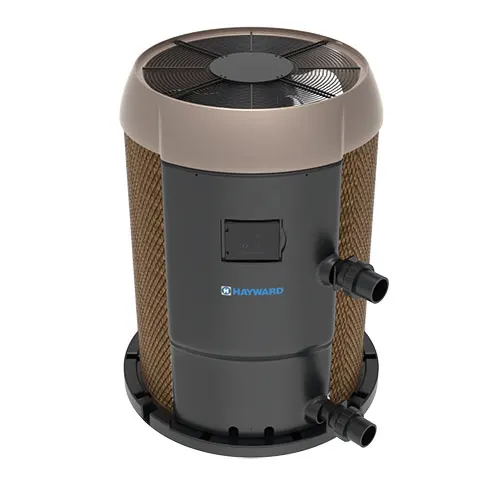
Hayward HeatPro Heat Pump
Corrosion-resistant heat pump suitable for saltwater and standard pools
The Hayward HeatPro is built for long-term performance with corrosion-resistant titanium heat exchangers, making it a solid option for both traditional and saltwater pool systems.
- Titanium heat exchanger for corrosion resistance
- UV- and chemical-resistant housing
- Suitable for inground and above-ground pools
Pentair UltraTemp Heat Pump
Premium heat pump for steady, season-long temperature control
Designed for pool owners who want premium efficiency and dependable temperature control, the Pentair UltraTemp delivers steady heating without the high utility costs of traditional electric resistance heaters.
- Titanium heat exchanger for superior corrosion resistance
- AutoSet™ temperature control for consistent water temperatures
- Quiet operation and rugged, weather-resistant design
- LCD control board with intuitive interface
- Environmentally friendly R410A refrigerant

The Pentair UltraTemp heat pump is especially well-suited for inground pools that are heated regularly throughout the season.
Browse our full selection of:
Want Help Choosing the Right Pool Heater?
Sorting through today’s pool heating technologies can feel overwhelming. Between electric resistance heaters, heat pumps, energy efficiency claims, operating temperature limits, and long-term cost comparisons, it’s not always clear which option makes the most sense for your specific pool.
Choosing between an electric pool heater and a heat pump comes down to how your pool is used—pool size, how often you heat the water, your desired temperature range, and whether efficiency or fast heat is the bigger priority. Connecticut’s seasonal temperature swings add another layer to the decision, making it even more important to match the equipment to real-world conditions.
If you’d like help narrowing your options, our experienced pool technicians can walk through the pros, tradeoffs, and practical considerations to identify the best heating method for your pool. Schedule a pool heating consultation to get informed guidance before making a decision.

The Swimming Pool Store has helped Connecticut pool owners make informed decisions about pool heating for more than 55 years. Our team provides expert guidance on electric pool heaters, high-efficiency heat pumps, and energy-smart heating solutions designed for New England conditions. Contact us today to compare electric pool heaters vs. heat pumps and choose the right pool heating system for your pool.


